
Things to Do in Beyoğlu Istanbul, Turkey
For the first timer, or even the consummate return visitor, Istanbul’s endless sprawl and depth can be an overwhelming experience to take in (this “Like a Local Guide to Istanbul” can help though).
The history alone of this one-time Roman, Byzantinian, Latin and Ottoman capital is a colossal enough task to bite into, without even beginning to take on its sheer physical size and stunning range of things to see and do. As they say: when you’re eating an elephant, it’s wise to take small bites. Take it district by district, beginning with a look at things to do in Beyoğlu Istanbul.
Before coming to Istanbul, do not forget these 3 important points:
- Get Travel Insurance! I trust SafetyWing Travel Medical Insurance and can only recommend them. Their offer starts at only $40 a month and includes COVID-related issues, regular medical emergencies, lost luggage, and delayed and canceled flights, etc. (check list of coverage for details).
- Get your Visa for Turkey. Residents from most countries require a visa to visit India. iVisa is a great company that can help you apply for your India Visa.
- Visit my Travel Gear and Resource Page to see my recommendations on useful travel gadgets and helpful travel services that can help you with planning your trip.
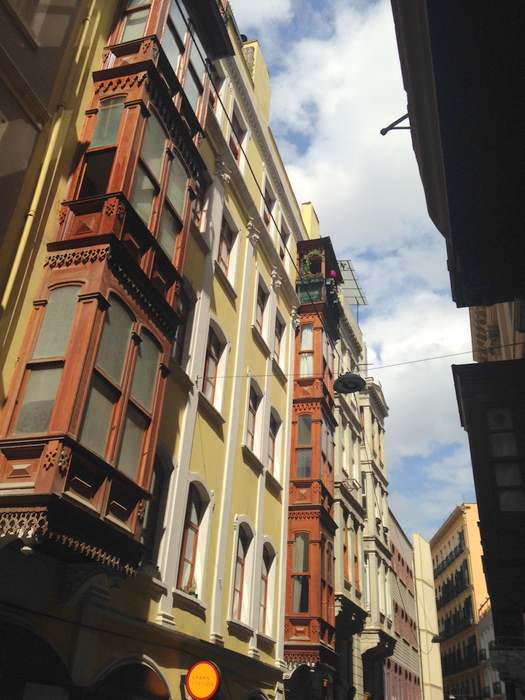
Beyoğlu Istanbul – Discover Istanbul’s European Side
Located on the European side, separated from the ‘old city’ by the rippling waters of the Golden Horn, the neighbourhoods of Istanbul’s Beyoglu district – Galata, Karakoy, Taksim, Tunel, Cihangir, Çukurcuma, Tepebaşı, and beyond – are some of the most thriving and cherished of the city’s inner locales.
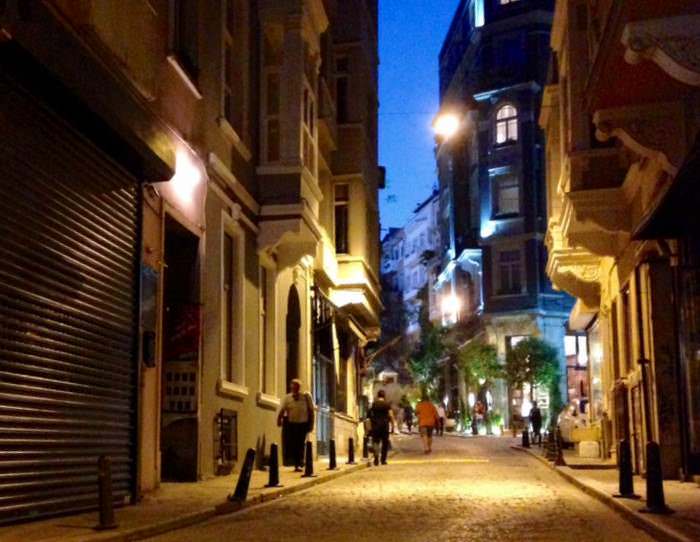
Since its role as a Venetian and Genoese merchant hub during the 12th and 13th centuries, Beyoglu has always been a multicultural center, and home to thriving Greek, Jewish, and other foreign European communities, especially around the waterfront neighborhoods of Karakoy and Galata neighborhoods.
The cosmopolitan influence continued through the Ottoman transformation into modern Turkey, and today, Beyoglu persists as one of Istanbul’s most active and innovative art, nightlife and entertainment centers.
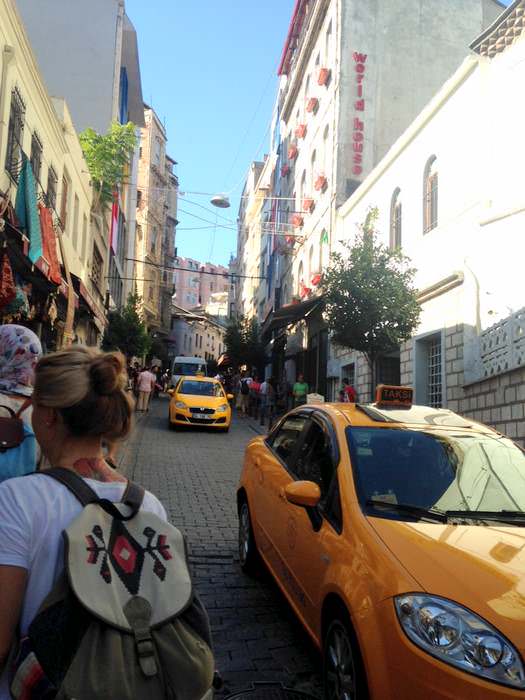
So while Blue Mosque, Topkapi Palace and Hagia Sophia might beckon from the other side of the Galata Bridge, you might find there’s more than enough to keep you occupied in the sprawling and endlessly fascinating neighborhood nooks of Beyoglu. Here’s a short, armchair tour through the some of its best:
What to See and Do In Beyoğlu Istanbul
Galata Tower
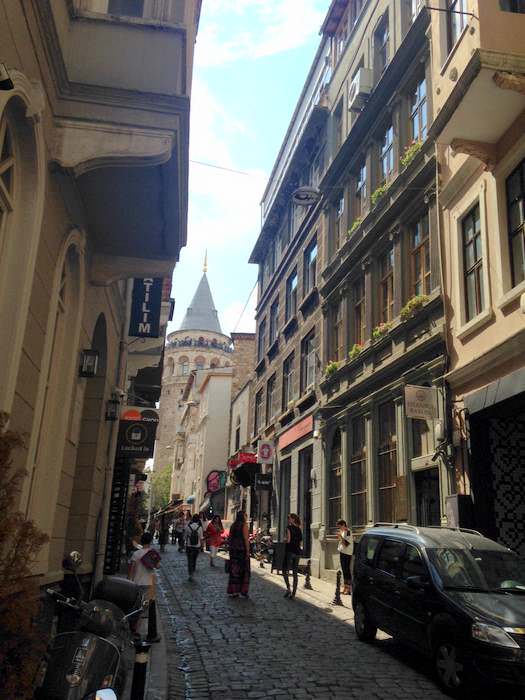
From the vantage of Istanbul’s terrace views, the night-time sight of the cone-capped Galata Tower – lit luminous pink and orange, like a giant multi-colored pencil – is as unforgettable as it is unmistakable. Built by the Genoese in 1348, this nine-story medieval stone tower remains one of Istanbul’s most striking icons.
Equally impressive in the daytime, you’ll be wedging in with the throngs during the in peak season. Still, the commanding 360-degree panorama of the city’s sprawling, water-coddled surrounds from the top is certainly something to write home about.
Istiklal Caddesi
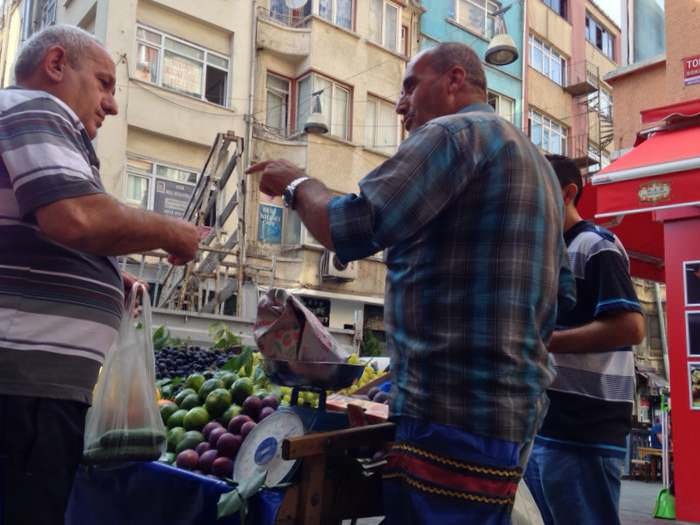
Every city has its own pulsing artery, and Beyoglu’s is the Istiklal Caddesi. In the day, swarms of locals and tourists wind their way up and down this endless mall of eateries, fashion stores, chestnut and mussel vendors, and comical ice cream showmen.
At night, from busy Taksim in the north to Tunel Square in the south, countless serpentine laneways off the main drag erupt with song, dance, shisha pipes and an ample variety of pulsing bars and nightclubs.
Museum of Innocence
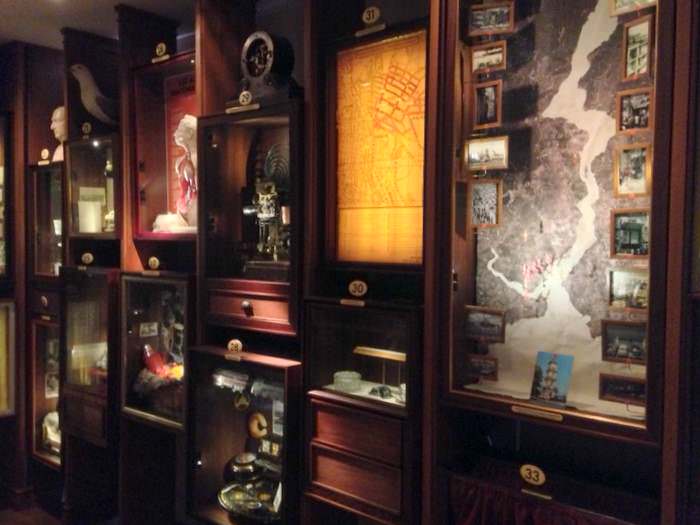
If you’re a fan of Nobel literature prize winner and revered local Turk, Orhan Pamuk, it won’t be hard to fall in love with the Museum of Innocence, Pamuk’s real-life manifestation of his award-winning novel of the same name. Not yet a Pamuk fan? The Museum will turn you into one. Welcome to four stories of artful, meticulous recreation of a timeless written work.
Pera Palace
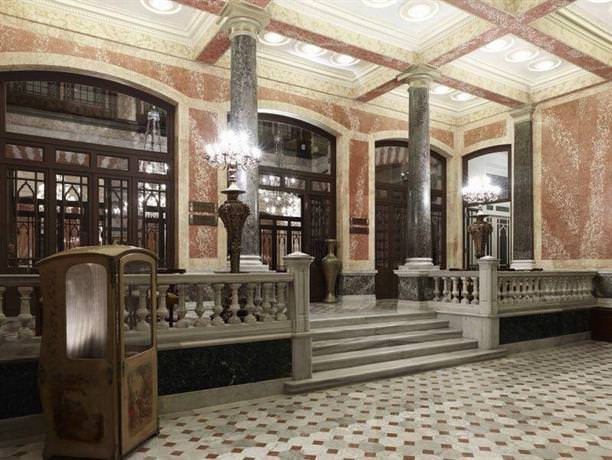
Agatha Christie wrote here. Hemingway and Hitchcock too, all fresh off the Orient Express railway, and many other notables with them. Timeless elegance and a lavish 19th-century interior greets visitors to the Pera Palace.
Doll and suit up, fetch yourself a fresh Monte Christo, then head to the Pera’s stunning rooftop terrace for a whiskey sour over a glimpse of old Constantinople (better yet, check yourself in and stay overnight). Hotel recommendations in Istanbul.
Tünel

In the roasting heat of an Istanbul summer, it can be a pretty steep trundle heading up and down the vibrant tourist strands of Galata. Thankfully, back in 1875 the Ottomans built the tünel: a short, funicular railway that curves underground from the northern shore of the Golden Horn at Karaköy up to Tünel Square at the southern tip of the Istiklal Caddesi. After the London Underground, it’s the second oldest subterranean railway system in the world, and after a day’s worth of sightseeing (and at 4 Lira a ride/10 Lira for three), it’s well worth the short trip.
Where to Eat and Drink in Beyoğlu Istanbul
Palamutis Coffeeshop
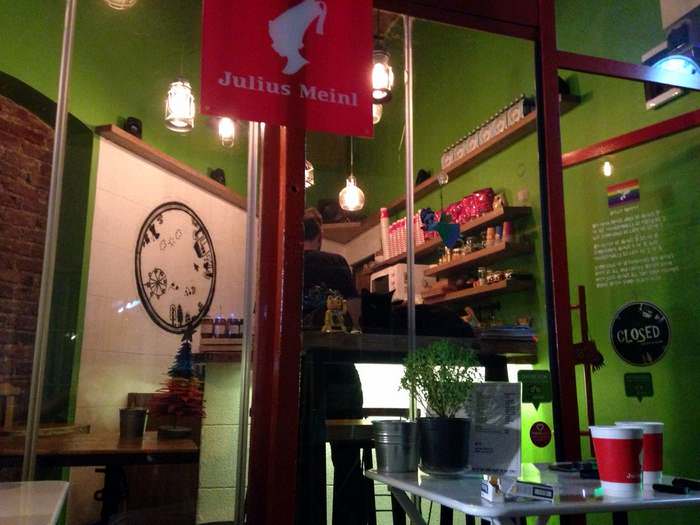
One of a number of new coffee shops popping up in the old storefronts of Bostannasi Caddesi and its nearby surrounds, micro cafe, Palamutis, offers one of the most refreshing, delicious and cute café experiences in all of Beyoglu.
Offering sumptuous breakfast and lunch options, and home to some of the best coffee in the region, what Palamutis might lack in size it makes up for in charm. Try the homemade jams and honey direct from the ‘bee man’ of Bodrum, Firuzaga Mah.
Bostan Basi Cad. 3A
Beyoglu, Istanbul 34400, Turkey
Kafe Ara
A soundtrack of smooth saxophone jazz, modern stained glass décor, classy knickknacks and intoxicating portraits of Istanbul’s maritime past, Kafe Ara is a true class act. Open for early starters at 7 am, Ara’s breakfast and lunch menu carries right through to a charming and delectable selection of evening fare. Friendly to vegetarians, the Farro salad with Pomegranate remains the all-day favorite.
Tomtom Mh., Tosbağa Sokak No:2,
34433 İstanbul, Turkey
Symbol Café

Those capable of handling Symbol Café’s slightly unnerving elevator (or trundling up the 10+ story iron spiral staircase) are rewarded with possibly the most enchanting rooftop terrace view in all of Istanbul.
Searching romantically out to the Golden Horn and the misty Bosphorus and beyond, there’s arguably no better place in the city come sunset to knock back a cold Bomonti, before settling in for a traditional meal as the spires of Sultanahmet illuminate gold in the dusk.
Ayhan Işık Sk., Turkey
Babel
Morning, noon and night, Babel has it covered, offering excellent traditional breakfast plates and fresh juices, a veritable selection of hearty lunchtime and dinner fare.
Babel is one of those places you walk past and can’t help but stop by: known for their excellent cocktails and beer selections, including cold Bomonti and Efes on tap, kick back here for great tunes, excellent, friendly service and a neighbourly vibe (also home of the best mojitos in the city).
Turnacıbaşı Cd. No:56, Turkey
Sur Balik Restaurant

No one should leave Istanbul without taking part in a bona fide ‘rakı night’, so said our hosts, who chaperoned us to a delectable feast of mezze and seafood here at Sur Balik. A chain seafood restaurant (this one nestled in Beyoglu’s up and coming Cihangir neighborhood), Sur Balik’s maritime interior gave the feel of being on a modest cruise ship, and its food and drink were a notch above.
Sumptuous plates of smoked fish, stuffed cheese capsicum, sizzling calamari, and prawns meets endless long guzzles of rakı. Known around these parts as ‘lion’s milk’, rakı is a potent aniseed elixir, traditionally sipped through the night over a veritable feast in the comfort of friends and loved ones, reputedly good for cleansing the soul.
No:, Kuloğlu Mh., Selvi Sk. No:36,
34425 Beyoğlu/İstanbul, Turkey
Things to do in Beyoğlu Istanbul was Written by and photos by Cam Hassard for EuropeUpClose.com
Anca | Globaloud
Tuesday 20th of October 2015
I accidentally run into the Museum of innocence when I was visiting Istanbul, and even though I never actually read Pamuk's novels I really enjoyed the museum, and as you said, the museum sort of turned me into his fan.
Ruth Kozak
Tuesday 20th of October 2015
Thanks for taking me back to this wonderful city. I've been there several times beginning back in 1975 and just love it but it's been a few years since I last visited.